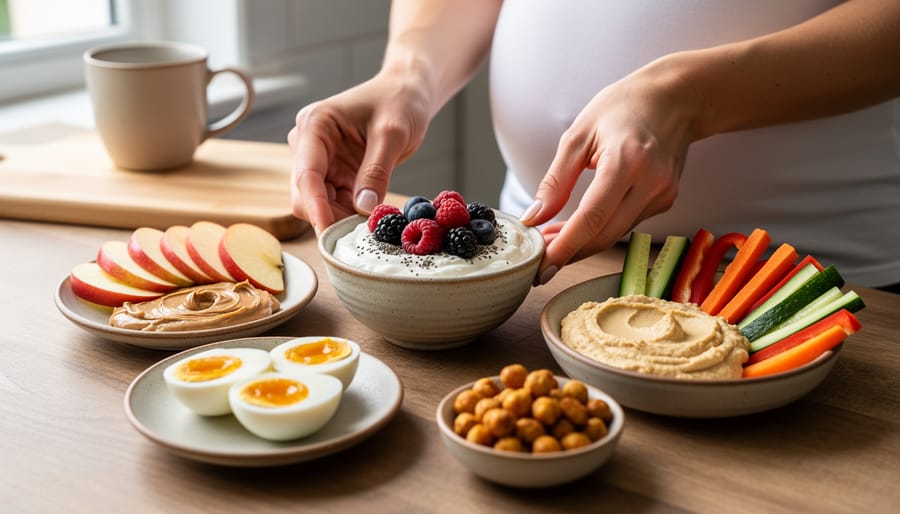
The best healthy pregnancy snacks pair protein or healthy fat with fiber, so they steady your energy and keep hunger from sneaking up between meals. Think Greek yogurt with berries and chia seeds, apple slices with nut butter, hummus with veggie sticks, or a hard-boiled egg you can grab from the fridge. All are simple, mostly no-cook, and easy to build into a busy day, whether you’re teaching, parenting, or both.
Below are eight practical ideas, from crunchy roasted chickpeas to gentle whole-grain avocado toast for queasy days. Each one is chosen for nutrients that matter during pregnancy, like protein, calcium, choline, and fiber, and for how easy it is to prep and carry.
Food safety matters a little more right now, so we’ve flagged what to check, such as how eggs are cooked and how dairy is labeled. And because every pregnancy is different, run any big changes to your eating by your doctor or midwife.
How These Healthier Snack Options Were Chosen for Pregnancy
I picked these snacks the way you’d stock a pantry for someone you care about: by thinking about what actually helps. Nothing here was lab-tested. It’s a curated list built around what pregnancy commonly calls for and what a busy week really allows.
Each idea had to meet a few simple standards:
- Nutrient-dense, offering protein, fiber, calcium, iron, folate, or healthy fats.
- Food-safe, using fully cooked, washed, or pasteurized ingredients.
- Quick to prepare, so it fits a packed morning or a school-day routine.
- Easy to carry in a bag, lunchbox, or desk drawer.
- Gentle on the stomach, for days when nausea or heartburn show up.
That last point matters more than you’d think. A snack can look perfect on paper, but if it feels heavy or greasy when you’re queasy, you won’t touch it. So you’ll find a mix of mild, crunchy, creamy, and sweet options, and you can lean on whichever suits the day.
These choices reflect the general recommendations from trusted health bodies such as ACOG and the NHS, which are worth a look if you want the bigger picture. Still, every pregnancy is different. Allergies, gestational diabetes, and other conditions can change what’s right for you, so your doctor or midwife’s advice always comes first.
8 Pregnancy-Friendly Snack Ideas Worth Keeping on Hand
1. Greek Yogurt with Berries and Chia Seeds, a Protein and Calcium Boost
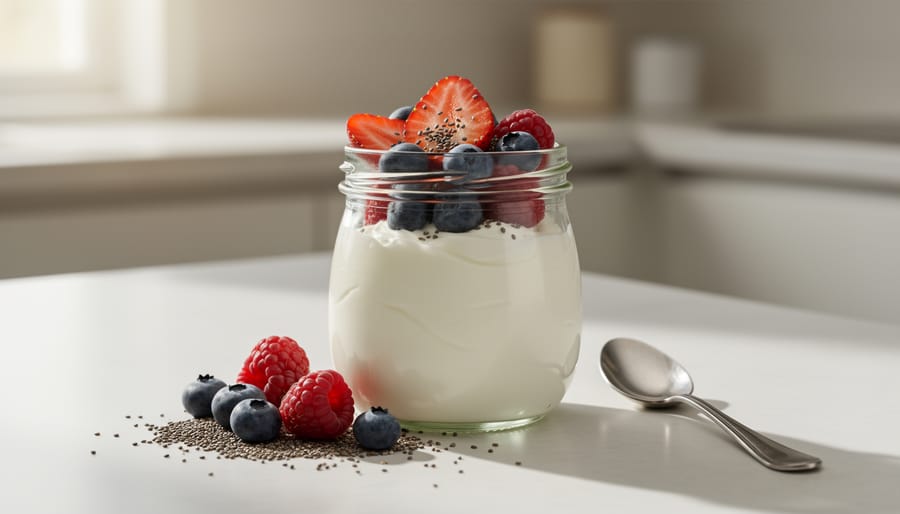
Greek yogurt is one of the easiest ways to get protein and calcium in a single bowl. It’s thicker and higher in protein than regular yogurt, which helps you feel full longer, and the calcium supports your baby’s growing bones while protecting your own. Berries add fiber and vitamin C, and chia seeds bring extra fiber and a little plant-based omega-3 fat.
Reach for plain yogurt made from pasteurized milk (the label will say so), since flavored versions often pack in added sugar. Sweeten it yourself with fresh or thawed frozen berries, a drizzle of honey, or a spoonful of mashed banana. A tablespoon of chia seeds stirred in will thicken things up as they soak.
Practical tip: layer yogurt, berries, and chia in small jars on Sunday and refrigerate them. Grab one on your way out the door, and plan to eat them within three to four days for the best texture and freshness.
2. Apple Slices with Nut Butter, a Sweet and Satisfying Pairing
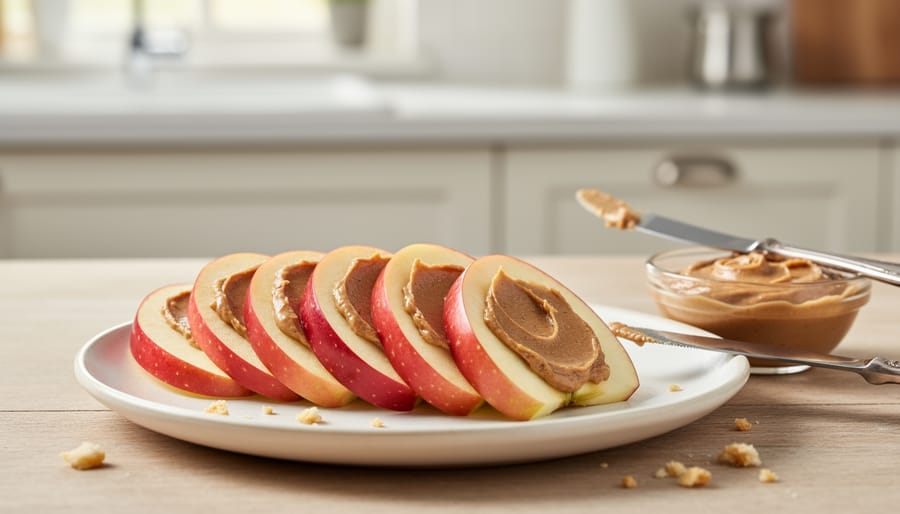
Apple slices with nut butter hit that fiber-plus-fat sweet spot. The apple brings crunch, natural sweetness, and fiber that helps keep digestion moving, which can be a welcome bonus when pregnancy slows things down. The nut butter adds protein and healthy fat, so you stay full longer instead of crashing an hour later.
To make it, slice a crisp apple and spread or dip with a tablespoon or two of natural nut butter. Look for a short ingredient list without a lot of added sugar or salt. If nut allergies are a concern in your home or classroom, sunflower seed butter works just as well.
Practical tip: toss your slices in a little lemon juice, or even a splash of water with a squeeze of lemon, before packing them. They’ll stay fresh and pale in a lunchbox or work bag until snack time.
3. Hummus with Veggie Sticks and Whole-Grain Crackers, a Crunchy Fiber Fix
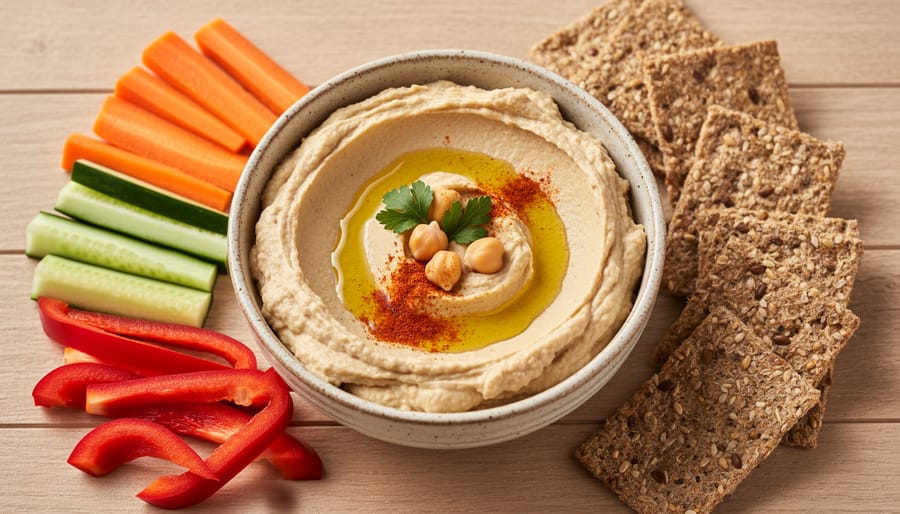
Hummus is a great pick when you want something crunchy and filling. Made from chickpeas and tahini, it offers plant-based protein, folate, and fiber, which are nutrients pregnancy commonly calls for. Pair it with carrot, cucumber, or bell pepper sticks and a few whole-grain crackers, and you’ve got a snack with real staying power.
The extra fiber can also help with pregnancy constipation, especially if you drink plenty of water alongside it. Hummus isn’t a major choline source, though, so it’s worth reading up on the increased choline needs in pregnancy and rounding out your day with other foods.
Wash raw veggies under running water, even if you plan to peel them, and dry them before cutting. Keep store-bought hummus refrigerated, check the use-by date, and eat opened tubs within a few days. For homemade hummus, aim to finish it within about four days.
4. Hard-Boiled Eggs, a Portable Source of Protein and Choline
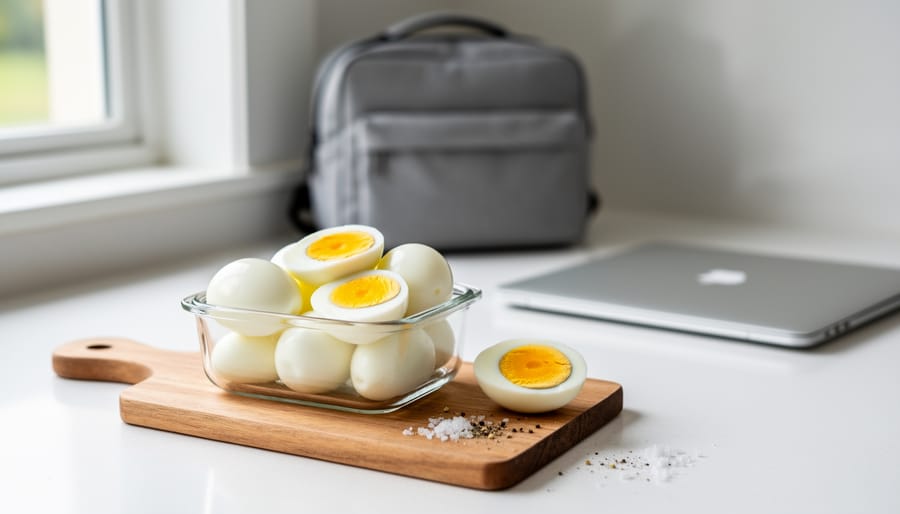
Hard-boiled eggs are about as grab-and-go as protein gets. One large egg has roughly six grams of protein, and it’s also a good source of choline, a nutrient that supports your baby’s brain and spinal cord development. Many people don’t get enough of it during pregnancy, so eggs are an easy way to help close the gap.
Safety matters here: cook eggs until both the white and yolk are firm, since runny or undercooked eggs aren’t recommended during pregnancy.
For a simple batch, cover a dozen eggs with cold water, bring to a boil, then cover the pot and let them sit off the heat for 10 to 12 minutes. Cool them in ice water so they peel easily.
Tip: Keep the batch in the fridge and eat the eggs within about a week. Peeling a few ahead of time makes them even easier to snag on a busy school morning.
5. Roasted Chickpeas, a Crispy Swap for Chips
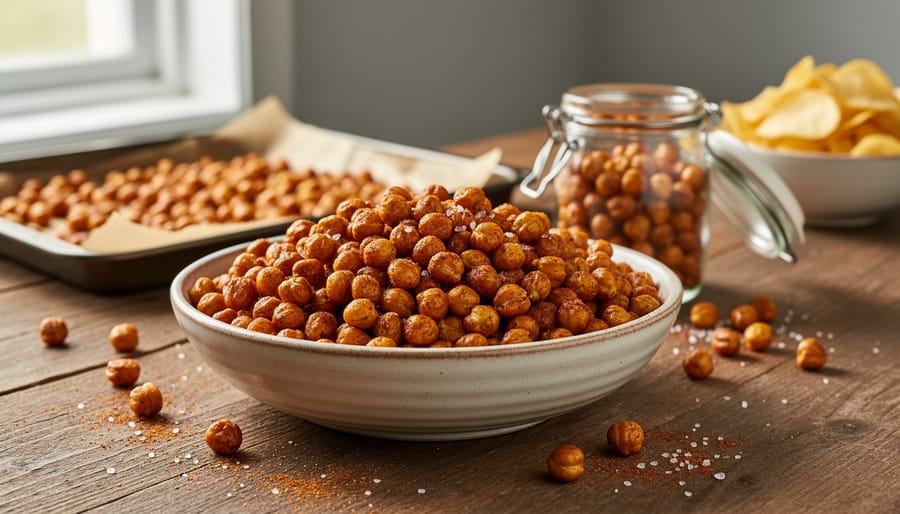
Craving something crunchy and salty? Roasted chickpeas are a great stand-in for chips. They bring plant-based iron, protein, and fiber, which is a helpful trio when your body is working overtime.
Here’s the simple version. Drain and rinse a can of chickpeas, then pat them very dry, since dry chickpeas get crispier. Toss with a teaspoon of olive oil and a pinch of salt, spread them on a baking sheet, and roast at 400°F (200°C) for 25 to 30 minutes, shaking the pan halfway through.
Want variety? Try cinnamon for a sweet version, or smoked paprika and garlic powder for something savory. A little lemon zest works too.
Practical tip: make a big batch on Sunday and keep them in a jar on the counter. They stay crunchy for a few days, which makes them easy to toss in a work bag or school-day tote.
6. Whole-Grain Toast with Avocado, a Gentle Option for Queasy Days
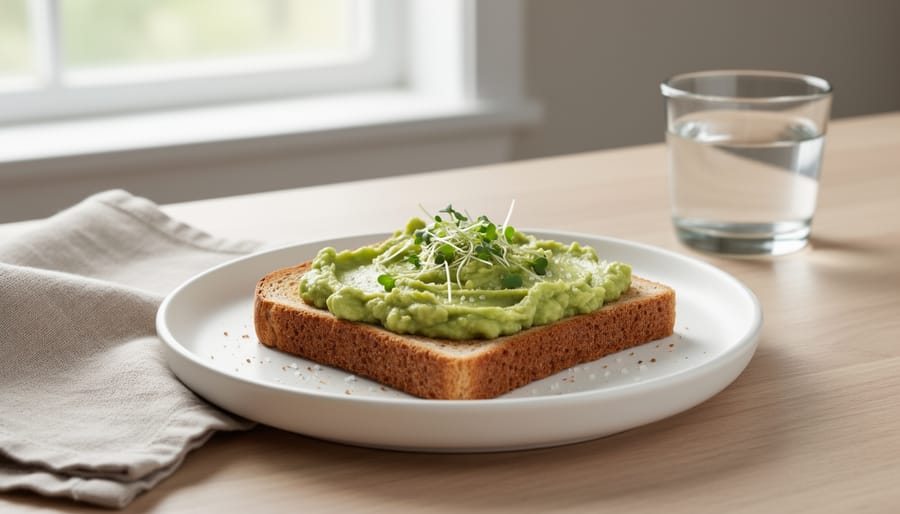
Whole-grain toast with avocado gives you healthy fats, potassium, and gentle carbs in one simple snack. The bread is mild and easy to digest, which helps when your stomach is unpredictable, while the avocado adds staying power so you’re not hungry again in twenty minutes.
To make it, toast a slice of whole-grain bread and mash a quarter to half of a ripe avocado on top. A squeeze of lemon brightens the flavor and can feel refreshing on queasy days. If you want a little extra crunch and minerals, try a sprinkle of pumpkin or sesame seeds. Salt lightly, or skip it if plain tastes best right now.
Practical tip: morning nausea often hits before you’re ready for a full snack, so keep plain crackers or a slice of dry toast within arm’s reach of your bed. Nibbling a few bites before you stand up can take the edge off.
7. Homemade Trail Mix with Nuts, Seeds, and Dried Fruit, a Pocket-Sized Energy Lift
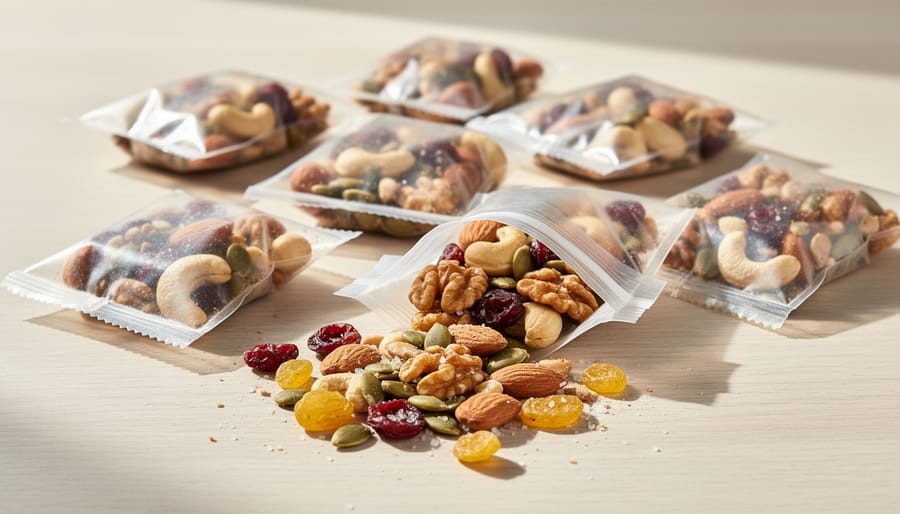
A handful of homemade trail mix covers a lot of ground in a tiny package. Nuts and seeds bring magnesium and healthy fats, while pumpkin seeds and dried apricots add iron. Dried fruit gives you a little natural sweetness and quick energy when you need it.
Making your own lets you skip the added sugar and heavy salt you’ll find in many store-bought blends. Start with about two parts unsalted nuts (almonds, walnuts, or cashews), one part pumpkin or sunflower seeds, and one part unsweetened dried fruit like raisins, apricots, or cherries. Skip the candy-coated pieces and yogurt chips.
Portion it out into small reusable containers or snack bags on the weekend, about a quarter cup each. That way a serving is ready to toss in your purse, work bag, or desk drawer, and you won’t be tempted to eat straight from a giant bag.
8. Cottage Cheese with Fruit or Cherry Tomatoes, a Creamy Snack with Staying Power
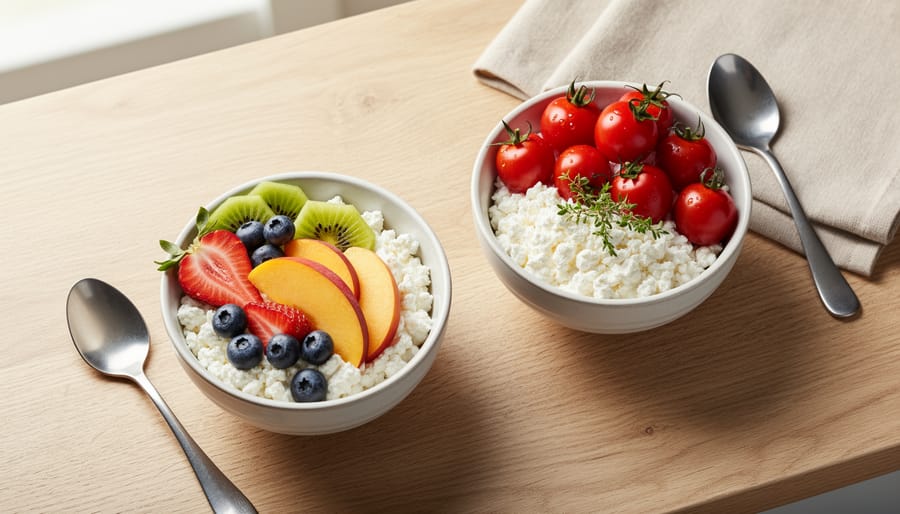
Cottage cheese is a quiet powerhouse for pregnancy snacking. A half-cup serving delivers a solid dose of protein and calcium, which helps you feel full longer and supports your baby’s growing bones. Its mild flavor also makes it easy to tolerate when your stomach is fussy.
Go sweet by topping it with sliced peaches, pineapple, or a handful of berries. Prefer savory? Stir in halved cherry tomatoes, a pinch of black pepper, and a drizzle of olive oil for a fresh, almost salad-like bite.
One practical tip: check the label before you buy. Make sure the cottage cheese is made from pasteurized milk, which is standard for most store brands but worth a quick look. Compare sodium too, since it varies quite a bit between brands, and pick a plain variety so you control the toppings.
Quick Answers to Common Pregnancy Snacking Questions
Every pregnancy looks a little different, so treat these answers as friendly starting points rather than rules. Your doctor or midwife can tailor them to you.
How often should I snack during pregnancy?
Many people find that eating something small every two to three hours keeps energy steady and hunger manageable. Let your appetite guide you, and pair protein or fiber with a little produce or healthy fat, like Greek yogurt with berries.
What helps with nausea or heartburn?
For queasy days, mild options like whole-grain toast with avocado are often easier to tolerate, and smaller, more frequent bites can help. If heartburn is the issue, try smaller portions and pay attention to which foods seem to trigger it for you.
Can I still enjoy sweet treats?
Absolutely. A little dried fruit in homemade trail mix or fruit alongside cottage cheese can satisfy a sweet tooth, and an occasional favorite dessert fits in too.
How do I keep snacks handy and safe on the go?
Pack perishable items like hard-boiled eggs and yogurt with an ice pack, and keep shelf-stable picks like roasted chickpeas in your bag. Drinking water regularly through the day helps too, so keep a reusable bottle close.
If you’re juggling school days, a few simple habits make snacking easier. Stash a small container of roasted chickpeas or trail mix in your desk drawer or tote so you’re never caught empty-handed. Prepping on the weekend, such as boiling a batch of eggs or portioning out jars of yogurt, saves time when mornings get hectic.
Teachers and parents will find plenty of inspiration in our guide to snacks on the go and many of those ideas work just as well for expecting adults. If you’re packing food for the whole family, our lunch box ideas can help you build one prep routine for everyone. And if you’d like to get kids involved in the kitchen, these healthy eating activities make mealtime a team effort.
Final Takeaway: Simple Snacking Habits That Support You and Your Baby
The simplest way to snack well during pregnancy is to pair protein or fiber with a piece of produce or a little healthy fat, whether that’s Greek yogurt with berries, apple slices with nut butter, or hummus with veggie sticks. Keep a few safe, easy options within reach, and you’ll rarely have to scramble when hunger or nausea hits. The same habit helps keep the whole family energized all day, so a Sunday batch of roasted chickpeas or hard-boiled eggs does double duty.
Listen to your body, skip the guilt, and remember that every pregnancy is different. If you have questions about what’s right for you, a quick check-in with your doctor or midwife is always a good idea. You’ve got this.