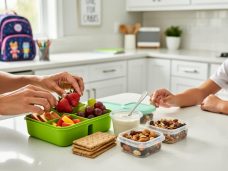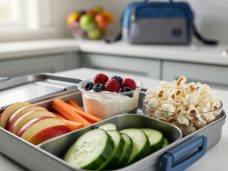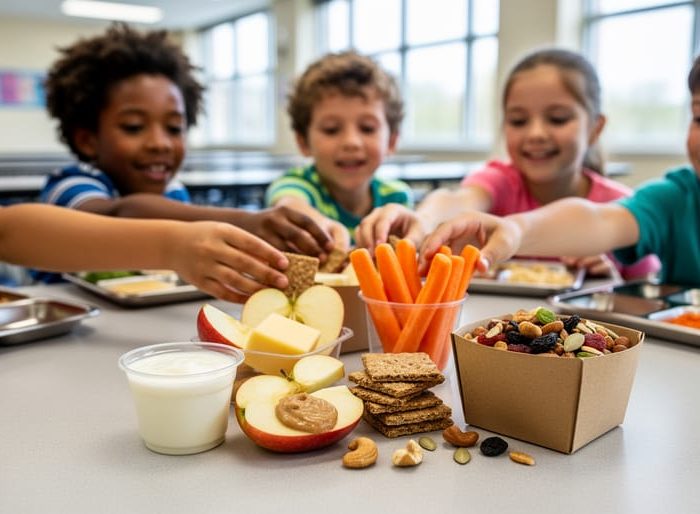
Finding healthier snack options that actually work in school settings comes down to balancing nutrition with kid appeal, convenience, and safety. The best choices deliver protein, fiber, or healthy fats to keep kids energized all day while still tasting good enough that children will choose them over processed alternatives. Research shows that when healthy snacks are presented in accessible, appealing ways, kids accept them more readily than parents often expect.
The challenge isn’t finding nutritious foods. It’s identifying options that fit real-world constraints: they need to travel well in backpacks, accommodate common allergies, require minimal preparation, and satisfy the taste preferences of children who haven’t yet developed adult palates. Many parents assume healthy snacking requires elaborate meal prep or expensive specialty items, but the most successful strategies rely on simple whole foods paired thoughtfully.
This guide presents 15 practical snack options that meet these criteria. Each has been selected for its nutritional value, kid-tested appeal, and realistic implementation in busy family schedules. You’ll find specific preparation tips, allergy-friendly modifications, and honest guidance about what works in actual school environments, not just in theory.
How We Selected These Snacks
We didn’t just throw together a random list of foods that happen to be nutritious. Every snack option here earned its place by meeting strict criteria designed around what really matters: your child’s health, your schedule, and whether kids will actually eat it.
Here’s what we looked for:
- Nutritional balance with protein, fiber, or healthy fats to sustain energy
- Minimal added sugars and processed ingredients
- Convenience for busy families juggling school runs and activities
- Affordability that works for everyday snacking, not special occasions
- Genuine kid appeal based on taste and texture
These selections draw from evidence-based nutrition guidelines for school-aged children, combined with real-world feedback from parents and teachers who’ve tested these options in lunchboxes, classrooms, and after-school routines. We prioritized snacks that work in practice, not just in theory, because the healthiest option means nothing if it ends up in the trash.
1. Fresh Fruit with Nut or Seed Butter
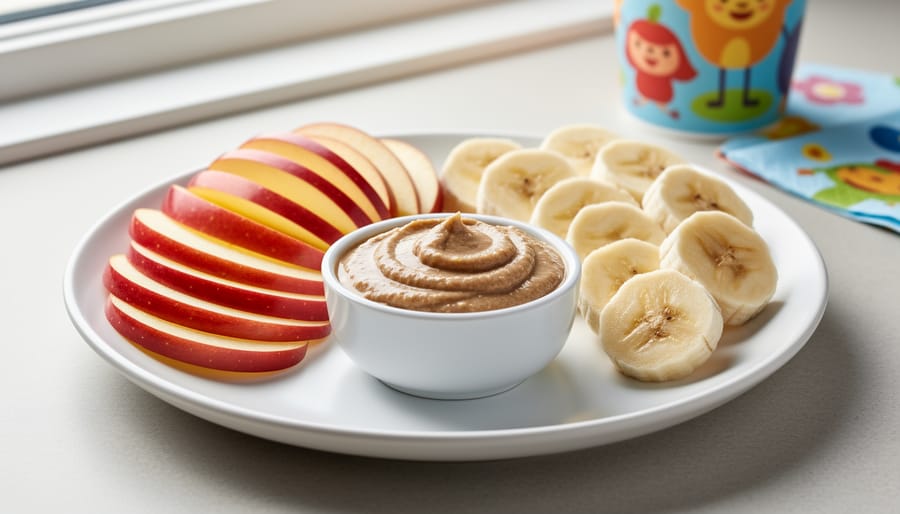
Apple slices with almond butter or banana rounds dipped in peanut butter deliver exactly what growing kids need between meals. The fruit provides natural sweetness and fiber that keeps digestion moving, while the nut or seed butter adds protein and healthy fats that sustain energy for hours. This combination prevents the quick sugar crash that comes from fruit alone.
For school settings or your healthy lunch box pack sliced apples in a container with a squeeze of lemon juice to stop browning. Portion out two tablespoons of nut butter in a small sealed container. Sunflower seed butter works perfectly for nut-free classrooms and tastes remarkably similar to peanut butter. Pear slices offer a nice change when kids tire of apples, and their natural juiciness means they stay appealing even without the lemon treatment.
2. Veggie Sticks with Hummus
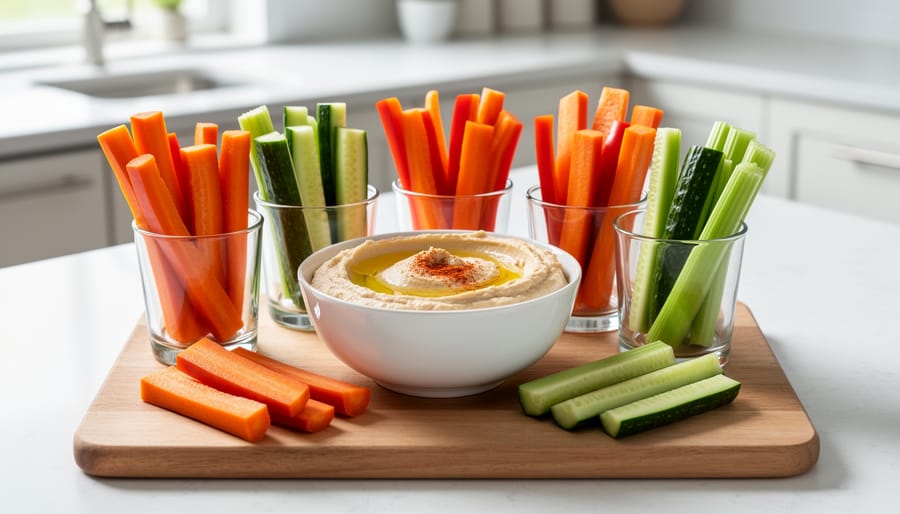
Carrot, cucumber, bell pepper, and celery sticks paired with hummus create a satisfying crunch that kids love while delivering impressive nutrition. This combo provides fiber for digestion, vitamins A and C for immune health, and plant-based protein that keeps hunger at bay between meals. Hummus adds creaminess and a mild, savory flavor that makes raw vegetables far more appealing.
Presentation matters enormously with this snack. Arrange colorful veggie sticks in a rainbow pattern or stand them upright in small cups for a fun, interactive experience. Bento-style containers with separate compartments work beautifully for school lunches. Start with sweeter vegetables like bell peppers and carrots if your child is hesitant, then gradually introduce cucumber and celery. Letting kids dip their own vegetables gives them control and makes eating veggies feel less like a chore and more like an activity they enjoy.
3. Greek Yogurt Parfaits
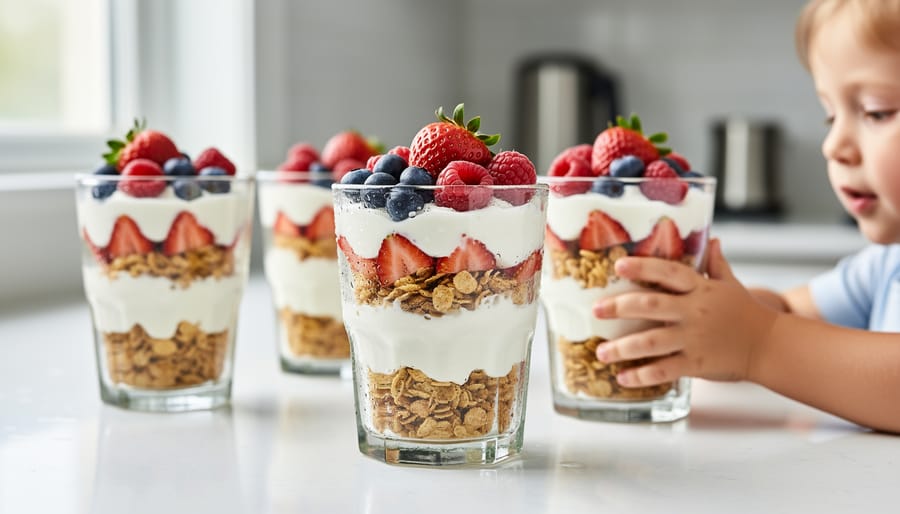
Greek yogurt parfaits pack a serious protein punch, typically 15-20 grams per serving, which keeps kids fuller longer than typical snacks. The probiotics support healthy digestion, something particularly helpful for children adjusting to school routines and different foods throughout the day.
Start with plain Greek yogurt and let kids sweeten it themselves with fresh berries. Strawberries, blueberries, and raspberries add natural sweetness, antioxidants, and fiber without the 15-20 grams of added sugar found in many flavored yogurts. A light drizzle of honey works if plain yogurt proves too tart initially.
The layering process turns snack time into an activity. Kids can alternate spoonfuls of yogurt with their chosen berries and top with a tablespoon of granola or pumpkin seeds for crunch. This hands-on assembly builds ownership and makes them more likely to actually eat it.
When buying yogurt, check labels carefully. Choose options with less than 10 grams of total sugar per serving, which indicates minimal added sweeteners. Whole milk versions provide healthy fats that growing brains need.
4. Whole Grain Crackers with Cheese
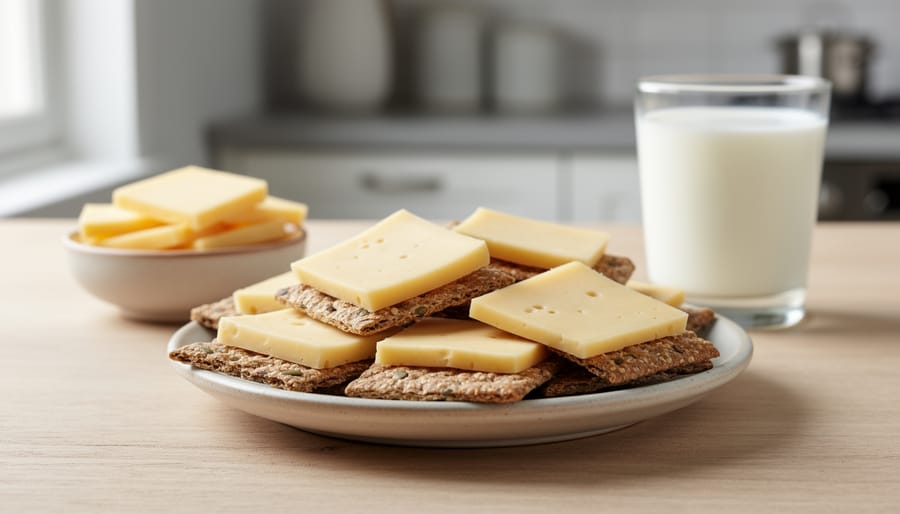
Whole grain crackers paired with cheese create a balanced snack that checks multiple nutritional boxes. The complex carbohydrates in whole wheat or seed-based crackers provide steady energy that doesn’t lead to blood sugar spikes, while cheese delivers protein to keep kids satisfied and calcium for growing bones and teeth.
This combination works particularly well because it’s portable, requires no preparation, and feels familiar to most children. Look for crackers that list whole wheat, oats, or seeds as the first ingredient and contain at least 2-3 grams of fiber per serving. Pair about 5-7 crackers with a small handful of cheese cubes or a few slices, roughly an ounce of cheese per snack.
Keep things interesting by rotating cheese varieties throughout the week. Mild cheddar, mozzarella, Swiss, or Colby Jack each offer slightly different flavors. Adding a few grapes or cherry tomatoes alongside creates a mini snack plate that introduces fruit or vegetables naturally, making the whole experience more appealing and nutritionally complete.
5. Homemade Trail Mix
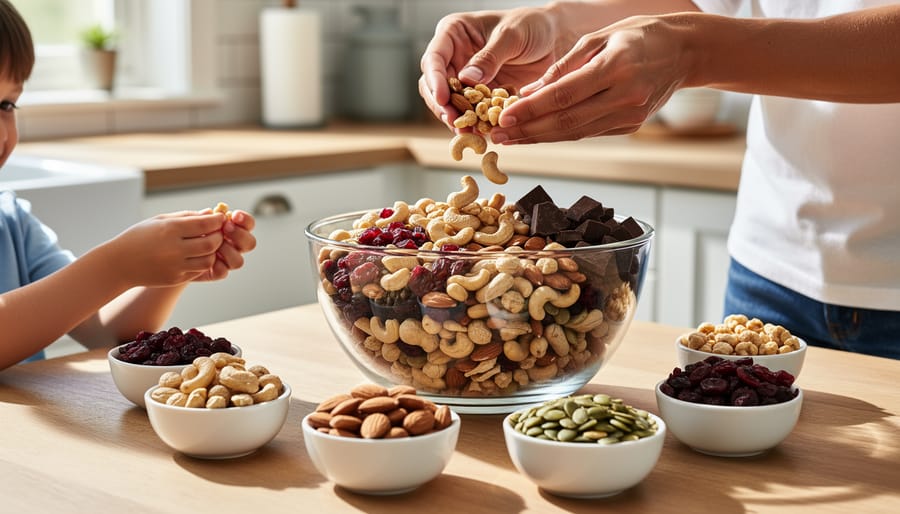
Trail mix puts you in the driver’s seat. Unlike store-bought versions loaded with candy, yogurt-coated pretzels, and excessive salt, a homemade blend lets you choose exactly what goes in. Combine unsalted almonds, cashews, or walnuts with sunflower or pumpkin seeds for healthy fats and protein. Add dried fruit like raisins, cranberries, or apricots that list only fruit as the ingredient, skipping added sugars. A small handful of dark chocolate chips or whole grain cereal makes it feel like a treat while keeping nutrition front and center.
This snack delivers sustained energy rather than a quick sugar spike and crash. The mix of protein, fiber, and healthy fats keeps kids satisfied between meals. You can easily swap ingredients to avoid allergens, using seeds instead of nuts or choosing specific dried fruits your child prefers. Portion into small containers or bags, about a quarter cup per serving, to prevent overeating while maintaining convenience for busy mornings.
6. Hard-Boiled Eggs
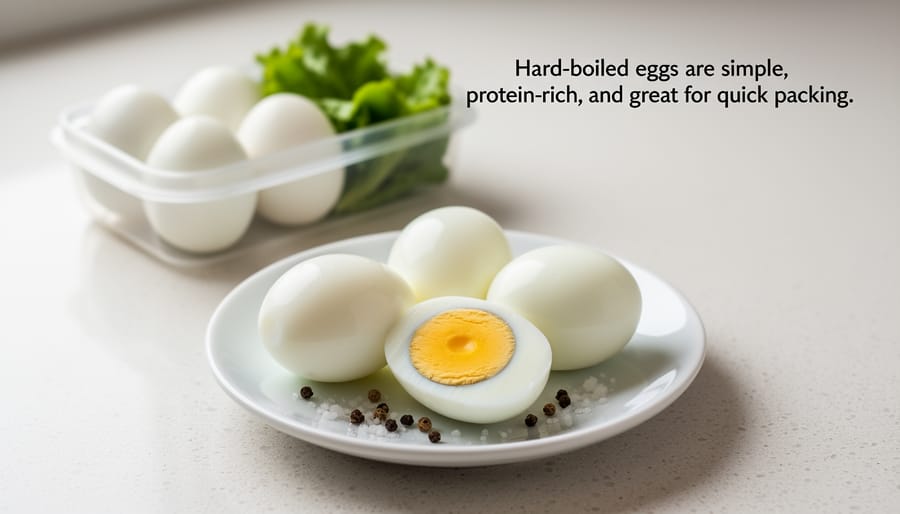
Hard-boiled eggs are a nutrition powerhouse that checks every box for busy families. One egg delivers about 6 grams of high-quality protein, plus essential vitamins like B12 and D, minerals including iron and zinc, and healthy fats that keep kids satisfied between meals. They’re remarkably convenient, boil a batch on Sunday evening, and you’ve got grab-and-go snacks ready all week. Store them in the fridge (shells on) for up to seven days. For picky eaters who find plain eggs boring, try light seasoning: a pinch of salt, a sprinkle of everything bagel seasoning, or even a tiny dash of hot sauce for adventurous kids. Pack them in lunchboxes alongside veggie sticks and healthy drinks for kids or slice them onto whole grain crackers for an after-school plate. The portability and shelf stability make eggs ideal for field trips and sports days too.
7. Smoothies
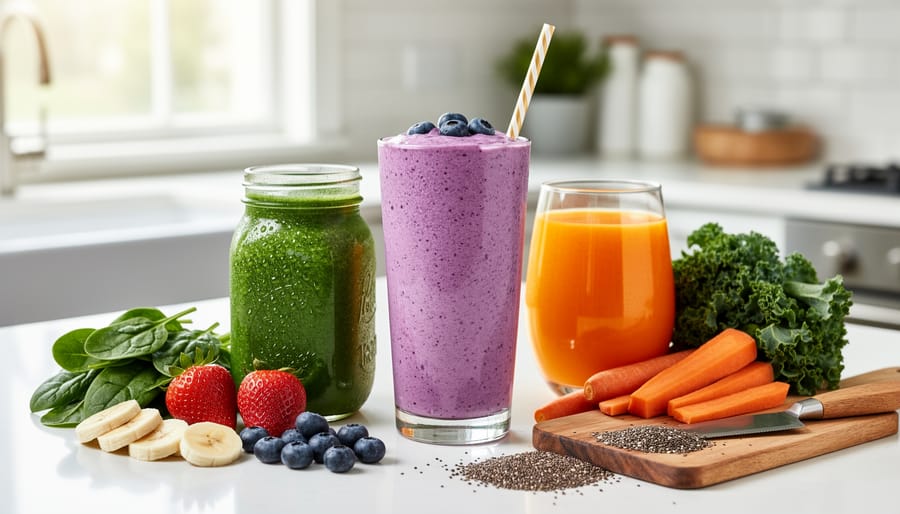
Smoothies pack serious nutrition into a kid-friendly format. Blending fruit with leafy greens like spinach or mild vegetables like frozen cauliflower creates a nutrient-dense drink that masks vegetable flavors behind naturally sweet berries or mango. Add yogurt or milk for protein and calcium, and consider a spoonful of nut butter or a scoop of protein powder to keep kids satisfied longer.
The real advantage? You control what goes in. Skip store-bought versions loaded with added sugars and syrups. Stick to whole ingredients, frozen fruit provides natural sweetness and a thick, creamy texture without ice that waters things down.
For school snacks, pour smoothies into freezable pouches that thaw by lunchtime, or use an insulated container with a wide straw. Prep ingredients in individual freezer bags the night before, just dump, blend, and go in the morning. Start with familiar fruit combinations, then gradually introduce greens once kids trust the taste. A handful of spinach in a strawberry-banana smoothie goes completely unnoticed while delivering vitamins A and K along with fiber.
8. Popcorn (Air-Popped or Lightly Seasoned)

Popcorn earns its place on this list because it’s a whole grain snack that delivers impressive fiber content while keeping calories in check. Three cups of air-popped popcorn contain only about 90 calories and provide nearly 4 grams of fiber, making it surprisingly filling for kids between meals.
The key is preparation. Skip the microwave bags loaded with artificial butter flavoring and excessive salt. Instead, use an air popper or make stovetop popcorn with just a small amount of coconut or olive oil. Kids typically love the crunchy texture and the hands-on nature of eating it piece by piece.
For seasoning, get creative without adding empty calories. Nutritional yeast gives a cheesy flavor while adding B vitamins. A light sprinkle of cinnamon and a tiny drizzle of honey creates a sweet version. Finely grated parmesan cheese (just a tablespoon or two) adds savory appeal. Even a dash of garlic powder or paprika can make it interesting.
Stick to age-appropriate portions: about 2 to 3 cups for younger children, up to 4 cups for older kids. This keeps the snack satisfying without overloading them before the next meal.
9. Cheese Quesadillas on Whole Wheat Tortillas
Cheese quesadillas offer a warm, satisfying snack that bridges the gap between meals without weighing kids down. A whole wheat tortilla filled with melted cheese delivers protein, calcium for growing bones, and fiber-rich complex carbohydrates that sustain energy longer than refined grains.
Preparation takes just minutes. Heat a skillet, place a tortilla flat, sprinkle shredded cheese on half, fold, and cook until golden on both sides. The simplicity makes it manageable even on hectic afternoons when time is tight.
Boost nutrition by adding thinly sliced tomatoes, a handful of spinach, or leftover cooked vegetables before folding. Kids often eat vegetables more willingly when they’re melted into cheese rather than served separately.
Cut the finished quesadilla into triangles for easier handling. Pair with salsa for vitamin C or guacamole for healthy fats. This versatile snack works equally well in lunchboxes or as an after-school option that actually fills hungry bellies.
10. Edamame
Edamame, those bright green soybeans you pop from their pods, delivers serious nutrition in a format kids find genuinely fun. A half-cup serving provides about 9 grams of plant-based protein and 4 grams of fiber, making it a surprisingly filling snack that keeps energy steady between meals.
You can buy edamame fresh or frozen; both work well. Steam or microwave for 3-5 minutes until tender, then toss with a light sprinkle of sea salt. For variety, try a squeeze of lime, a dash of garlic powder, or a tiny drizzle of sesame oil. The interactive element, squeezing beans from pods into their mouths, turns snacking into an activity rather than a chore, which appeals especially to younger children.
One consideration: edamame is a soy product, so check for soy allergies before serving in group settings. For most kids, though, it’s a winning combination of nutrition, taste, and entertainment.
11. Mini Whole Grain Muffins
Mini whole grain muffins check every box: they feel like a treat, pack easily into lunchboxes, and deliver real nutrition when made with the right ingredients. The key is using whole wheat flour or oats as the base instead of refined white flour, which provides fiber that keeps kids satisfied longer and supports steady energy.
Homemade versions give you complete control. Swap half the oil or butter for unsweetened applesauce or mashed banana to cut fat while adding moisture. Fold in grated zucchini, shredded carrots, or fresh blueberries for extra vitamins and natural sweetness, letting you reduce added honey or maple syrup. One weekend batch yields enough muffins for the entire school week, just freeze extras in portioned bags and thaw overnight.
Store-bought options work too. Look for brands listing whole grains as the first ingredient and containing less than 8 grams of sugar per muffin. Read labels carefully, as many “healthy” versions still pack significant sweeteners.
The mini size matters more than you might think. Smaller portions naturally limit calories and sugar while feeling appropriately sized for small hands and appetites. Kids get the satisfaction of finishing a whole muffin without the blood sugar spike that comes from adult-sized bakery versions.
12. Cottage Cheese with Fruit
Cottage cheese delivers an impressive protein punch, roughly 14 grams per half-cup serving, along with calcium that supports growing bones. Pair it with sweet pineapple chunks, fresh berries, or sliced peaches to balance the tangy flavor that some kids find off-putting on its own. The fruit’s natural sweetness makes cottage cheese far more palatable while adding fiber and vitamins.
Choose lower-sodium varieties when possible, as regular cottage cheese can be surprisingly high in salt. Check labels for options with 300mg or less per serving. If your child resists the texture, try blending cottage cheese smooth and using it as a fruit dip, or let them sprinkle a tiny amount of cinnamon or honey on top. Serving it in individual containers with colorful fruit arranged on top transforms this protein-rich snack into something visually appealing that kids actually reach for.
13. Rice Cakes with Avocado
Rice cakes get a bad rap for being bland, but top them with creamy avocado and they transform into a snack that delivers both nutrition and satisfaction. The whole grain base provides fiber and that satisfying crunch kids love, while avocado brings healthy monounsaturated fats that support brain development and keep hunger at bay between meals.
The basic version is simple: mash half an avocado with a fork, add a tiny pinch of salt if desired, and spread it on a rice cake. From there, kids can customize with toppings that add color, texture, and extra nutrients. Cherry tomato halves, thin cucumber slices, a sprinkle of sunflower or pumpkin seeds, or even a light drizzle of balsamic glaze all work well. This customization aspect makes rice cakes with avocado genuinely fun healthy eating rather than a chore.
For portability, prepare the avocado mixture with a squeeze of lemon juice to prevent browning, pack it separately in a small container, and let kids assemble at snack time. This keeps the rice cake crispy and gives them ownership over their food.
14. Frozen Fruit Bars (Low-Sugar or Homemade)
Frozen fruit bars offer a refreshing snack that feels like a treat while delivering real nutritional value. Store-bought options have improved significantly, look for bars listing fruit as the first ingredient and containing 10 grams of sugar or less per serving. Check labels carefully, as many brands market themselves as healthy while packing in added sweeteners.
Making your own takes just minutes and gives you complete control. Blend two cups of fresh or frozen fruit (strawberries, mango, and pineapple work brilliantly) with half a cup of plain Greek yogurt and a tablespoon of honey if needed. Pour into popsicle molds and freeze for at least four hours. The yogurt adds protein and creates a creamier texture kids love.
These bars provide hydration on hot days, vitamin C from the fruit, and the fun factor that makes children excited about eating something nutritious. Keep a batch in the freezer for quick after-school relief or weekend treats.
15. Nut-Free Energy Bites
These no-bake energy bites solve two common snacking challenges at once: they’re completely nut-free (making them safe for school environments with allergy restrictions) and they’re easy enough for kids to help make. Mix rolled oats with sunflower or pumpkin seed butter, a binding agent like honey or maple syrup, and fun add-ins such as mini chocolate chips, unsweetened coconut flakes, or chopped dried fruit. The combination provides sustained energy from complex carbs, protein from seed butter, and just enough sweetness to satisfy. Roll the mixture into bite-sized balls and refrigerate for an hour until firm.
Batch preparation is simple, make a double recipe on Sunday and store them in an airtight container in the fridge for up to a week. When children participate in measuring, mixing, and rolling, they’re more likely to eat healthy at school and at home because they feel ownership over their snack choices. These bites pack easily in lunchboxes and don’t require refrigeration for a few hours, making them ideal for busy mornings.
Tips for Making Healthier Snacks Stick
Getting kids excited about healthier snacks takes more than just swapping out chips for carrot sticks. Start by inviting them into the process: let them pick which fruits to try at the grocery store, choose between two hummus flavors, or help assemble their own trail mix from approved ingredients. When children have ownership over their snacks, they’re far more likely to eat them without complaints.
Offer structured choices rather than unlimited options. Instead of asking “What do you want for snack?” which often leads to requests for cookies, try “Would you like apple slices with peanut butter or cheese with crackers today?” This approach maintains healthy boundaries while giving kids meaningful autonomy.
Model the behavior you want to see. If you’re reaching for whole fruit or yogurt when you need energy, your kids will notice and gradually adopt similar habits. Keep convenience front and center by prepping snacks on Sunday (wash and cut vegetables, portion trail mix, boil eggs) so healthy options are as easy to grab as processed alternatives during busy weekdays. Remember that taste preferences evolve slowly, and repeated exposure without pressure works better than forcing. If they reject zucchini muffins today, try again in a few weeks.
Common Questions About Healthy Snacking for Kids
How many snacks should my child have each day?
Most school-aged children benefit from 1-2 snacks per day, typically one mid-morning or after school. The exact number depends on meal timing, activity level, and individual hunger cues, listen to your child’s body rather than following a rigid schedule.
What if my child refuses vegetables?
Keep offering vegetables in different forms without pressure. Pair them with favorite dips, involve kids in preparation, and remember that acceptance often takes 10-15 exposures. Focus on what they will eat while continuing to present new options alongside familiar favorites.
How do I handle treats and special occasions?
Build flexibility into your approach. Treats aren’t the enemy, they’re part of a balanced relationship with food. Allow occasional sweets at celebrations without guilt, which prevents the forbidden-fruit effect and teaches moderation rather than restriction.
Are packaged snacks ever okay?
Absolutely. Convenience matters for busy families, and some packaged options offer solid nutrition. Look for whole grain crackers, individual nut butter packets, cheese sticks, and dried fruit without added sugar, read labels and choose items with short ingredient lists.
How can I manage food allergies in group settings?
Communicate clearly with teachers about your child’s allergies and follow school policies. For class snacks, choose allergy-friendly options like fruit, popcorn, or seed-based items. Label everything clearly and teach children to ask before eating unfamiliar foods.
These questions reflect real concerns that come up repeatedly in schools and homes. The key is finding what works for your family while staying focused on the bigger picture: building positive food relationships that last beyond childhood. Small adjustments today create habits that support lifelong health.
Finding healthier snack options that kids genuinely enjoy doesn’t require perfection or a complete pantry overhaul. Small, consistent swaps make a meaningful difference in your child’s nutrition, energy levels, and long-term relationship with food. Start with one or two options from this list that match your family’s preferences and routine, then gradually expand as these become familiar favorites.
The effort you’re putting into providing nutritious snacks, whether you’re a parent packing lunchboxes or a teacher planning classroom treats, truly matters. Not every snack will be an instant hit, and that’s completely normal. Kids’ tastes evolve with repeated exposure and positive experiences around food. By offering these wholesome options consistently and without pressure, you’re setting the foundation for lifelong healthy eating patterns. Your commitment to your child’s well-being, even on the busiest days, makes a real difference.