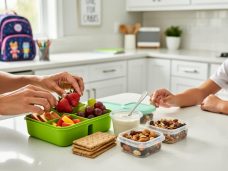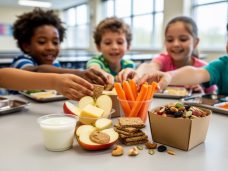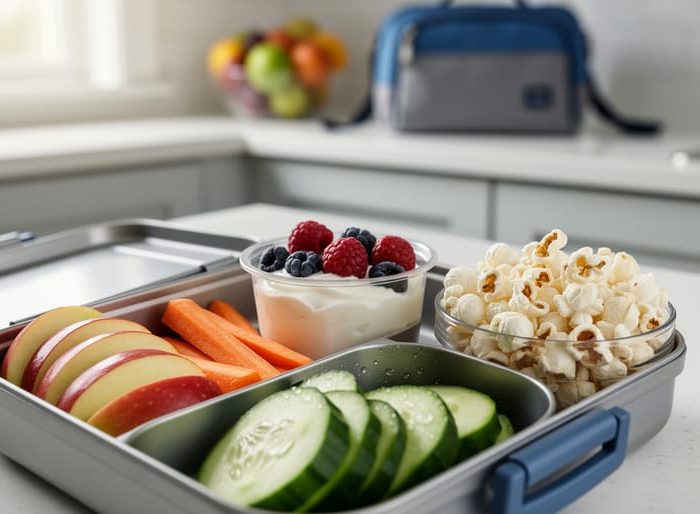
Finding low-calorie snacks that kids actually enjoy doesn’t mean sacrificing nutrition or taste. The best options for 2026 combine whole foods with moderate portions, typically ranging from 50 to 100 calories per serving, and include fresh fruits, vegetables with light dips, air-popped popcorn, and protein-rich choices like hard-boiled eggs or Greek yogurt. These snacks keep children energized all day without the sugar crashes that come from heavily processed alternatives.
The challenge parents and teachers face isn’t just about counting calories. You need snacks that satisfy growing appetites, meet nutritional needs, and don’t trigger complaints or lunchbox returns. Research shows that children who eat nutrient-dense, portion-appropriate snacks demonstrate better concentration and mood stability throughout the school day.
What makes a snack truly low-calorie yet effective for kids? It combines high water or fiber content with enough protein or healthy fat to provide satiety. A 60-calorie apple slice with a tablespoon of peanut butter offers more staying power than a 100-calorie packaged cookie, even though the calorie counts seem similar. Understanding this distinction helps you build a practical snack rotation that supports healthy growth without unnecessary excess.
How We Chose These Low-Calorie Snacks
We didn’t choose these snacks randomly. Each option meets specific standards that matter when you’re feeding real kids in real settings.
Our selection criteria included:
- Calorie count under 100-150 per age-appropriate serving
- Nutritional value including fiber, protein, vitamins, or minerals
- Taste and texture that actually appeal to children
- Practicality for packing in lunch boxes and storing at school
- Wide availability in standard grocery stores
We prioritized whole foods and minimally processed options because research consistently shows these provide better satiety and nutritional benefits than heavily processed alternatives. A snack that’s technically low-calorie but leaves a child hungry twenty minutes later doesn’t serve anyone well.
Every snack here balances three things: keeping calories reasonable, delivering actual nutrition, and passing the most important test of all, will kids eat it? We’ve focused on foods that provide energy for learning and play without the sugar crashes that send classroom behavior sideways. These aren’t diet foods. They’re simply nutritious options that happen to be naturally lower in calories, making them smart choices when you’re planning snacks for groups or trying to offer variety throughout the week.
1. Fresh Apple Slices with a Sprinkle of Cinnamon
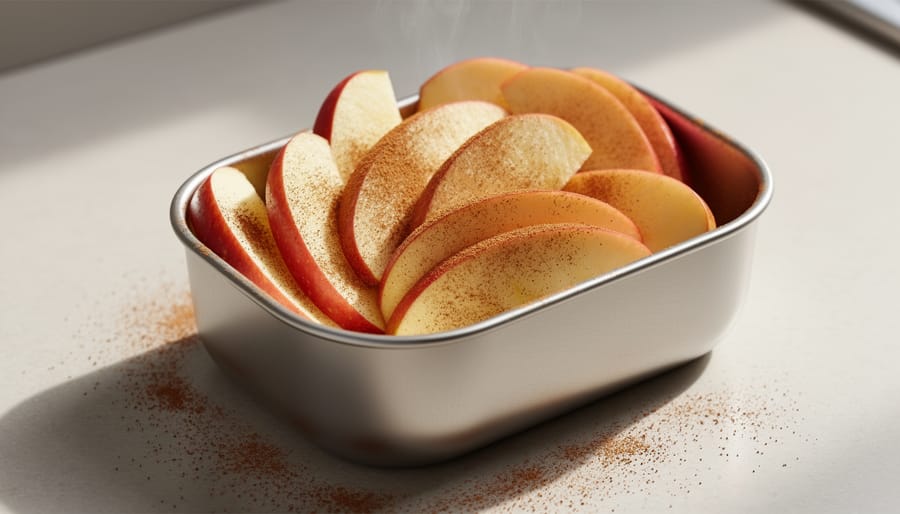
Fresh apple slices with a light sprinkle of cinnamon clock in at approximately 60-80 calories per medium apple, making them one of the lowest calorie options that still satisfies a child’s sweet tooth. The natural sugars provide quick energy without the crash that comes from processed snacks, while the fiber content, about 4 grams per apple, helps kids feel fuller longer and supports healthy digestion.
Cinnamon adds warmth and flavor without any calories, and research suggests it may help stabilize blood sugar levels. This combination works because it tastes like a treat. Many children who turn their noses up at plain fruit will happily munch on cinnamon-dusted apple slices.
For school lunches, preventing browning is essential. Toss sliced apples in a little lemon or orange juice before packing. The citrus creates a barrier against oxidation while adding a subtle tangy sweetness. Alternatively, a quick dip in lightly salted water (half teaspoon salt per cup of water) works without affecting the taste. Pack the cinnamon separately in a small container so kids can sprinkle it themselves, which adds an element of fun and control.
2. Baby Carrots with Hummus
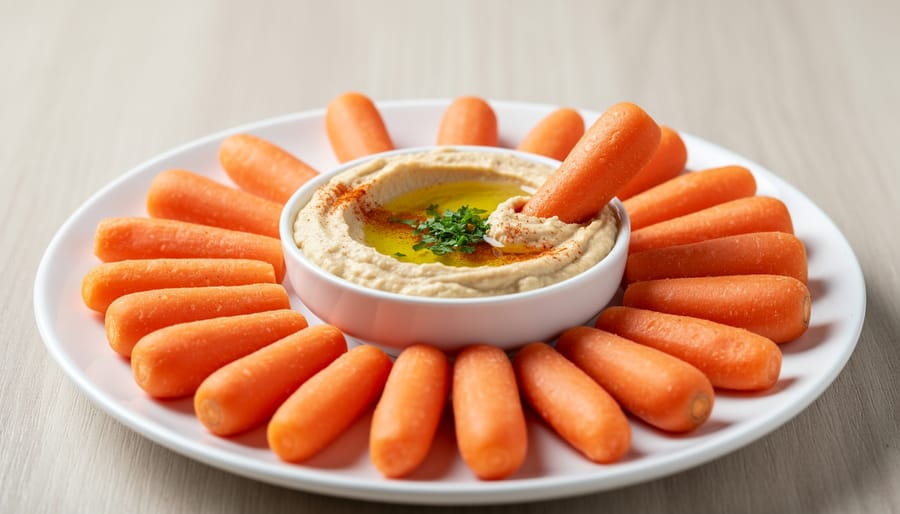
Baby carrots paired with hummus deliver around 80-100 calories per serving (roughly 10 baby carrots with 2 tablespoons of hummus). This combination works because it balances the carrots’ natural sweetness with the creamy, slightly savory taste of hummus, creating a satisfying contrast that keeps kids interested.
The nutritional payoff is significant. Carrots provide vitamin A for healthy vision and immune function, while hummus adds plant-based protein and fiber from chickpeas. That protein helps children feel fuller longer, making this snack more sustaining than carrot sticks alone.
The crunch factor matters more than you might think. Many kids gravitate toward crunchy snacks, and baby carrots deliver that satisfying snap without chips or crackers. They’re also easy to pack in lunch boxes without special prep.
Stick to the 2-tablespoon hummus portion to keep calories in check. You can make hummus more appealing by offering different flavors, plain, roasted red pepper, or garlic, and letting kids choose their favorite.
3. Air-Popped Popcorn
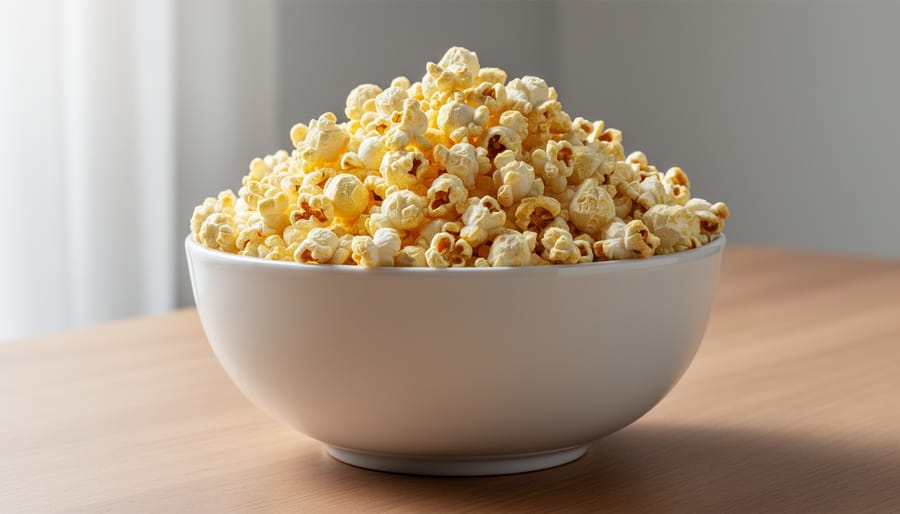
Air-popped popcorn delivers serious snacking satisfaction at just 30-35 calories per cup. That’s right, kids can enjoy three full cups for under 100 calories, which is why this whole grain snack wins over tiny portions of packaged treats every time.
The volume matters more than you might think. Children feel genuinely satisfied when their snack bowl looks full, and popcorn’s airy texture fills up space without packing in calories. Plus, it’s a genuine whole grain that provides fiber to keep kids energized between meals.
Skip the butter and try light seasonings instead: a sprinkle of cinnamon and a tiny drizzle of honey, nutritional yeast for a cheesy flavor, or even a light dusting of cocoa powder for a chocolate twist. These additions keep the calorie count low while making the snack feel special.
Use an air popper or make it on the stovetop with minimal oil. Avoid microwave bags, which often contain added fats and artificial flavors that triple the calorie count and reduce the nutritional value.
4. Cucumber Rounds with Cherry Tomatoes
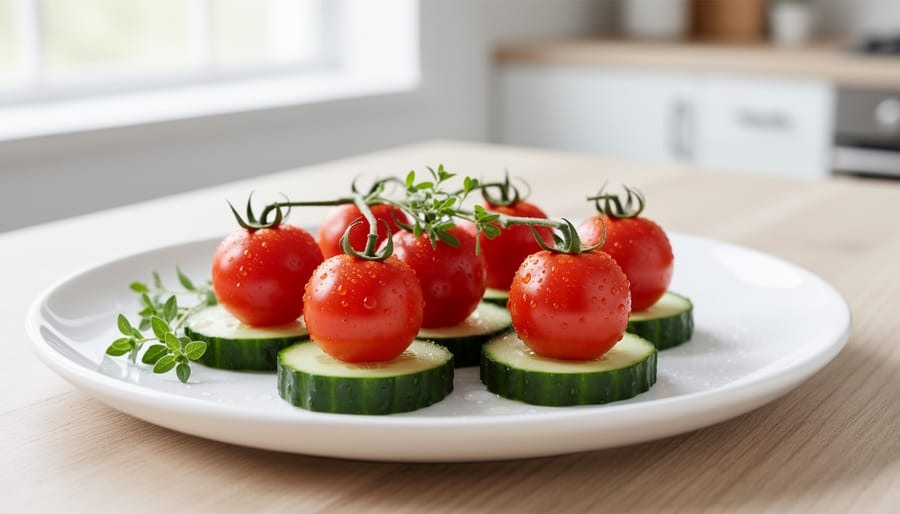
Cucumber rounds paired with cherry tomatoes deliver maximum snack satisfaction for a tiny calorie investment, about 20-25 calories per generous serving. Both vegetables boast over 90% water content, helping keep kids hydrated during long school days while providing vitamins K and C.
The simplicity here works in your favor. Slice cucumbers into thick rounds (no peeling needed for extra fiber), halve the cherry tomatoes, and you’re done. For picky eaters, use small cookie cutters to transform plain cucumber slices into stars or flowers. A light sprinkle of dried basil or a tiny pinch of sea salt elevates the flavor without adding calories.
Pack these separately from other snacks to prevent sogginess. The cool, crisp texture and bright colors naturally appeal to younger children, and the bite-sized format makes them perfect for classroom snack time with minimal mess.
5. Fresh Berries (Strawberries, Blueberries, Raspberries)
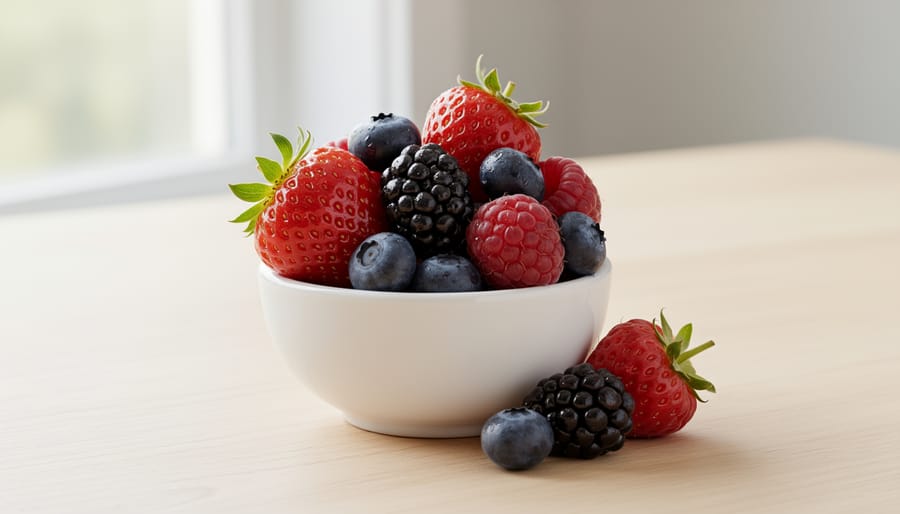
Fresh berries pack impressive nutrition into surprisingly few calories. A cup of strawberries contains just 50 calories, while blueberries come in at 85 calories per cup and raspberries at about 65. Kids love the natural sweetness, and parents appreciate the antioxidants that support immune function and overall health.
Berries travel well in small containers, making them perfect for lunchboxes and after-school snacks. Their vibrant colors and bite-sized shapes appeal to children who might resist other fruit options.
Save money by buying berries in season when they’re most affordable and flavorful. Stock up during peak months and freeze extras in single-serve portions, frozen berries maintain their nutritional value and work wonderfully for school snacks once thawed slightly. Many stores also offer frozen berry blends year-round at lower prices than fresh, giving you flexibility without sacrificing quality. Rinse fresh berries just before serving to keep them from getting mushy.
6. Sugar Snap Peas or Snow Peas
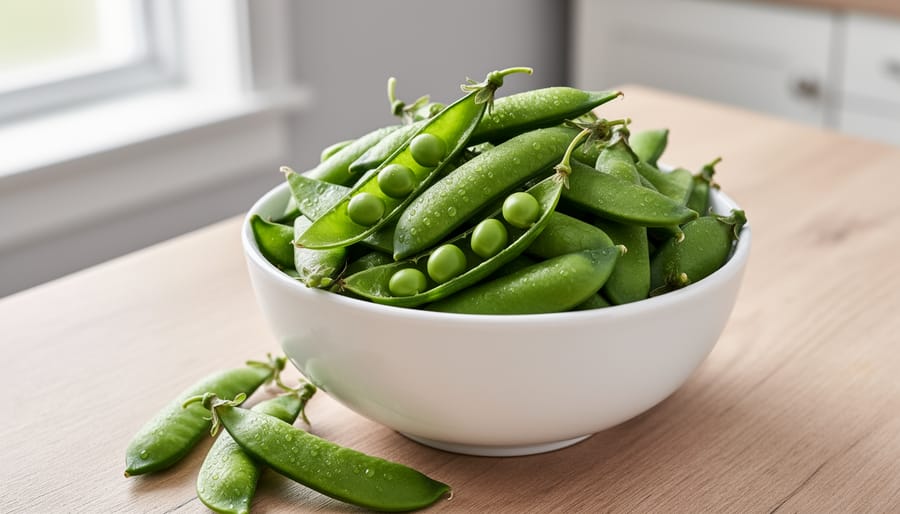
Sugar snap peas and snow peas clock in at just 40 calories per cup, making them one of the lowest-calorie options on this list. The natural sweetness surprises kids who expect vegetables to taste bland, while the satisfying crunch mimics the texture they love in chips and crackers.
Each cup provides 3 grams of fiber to keep kids feeling full between meals and delivers more than half their daily vitamin C needs. Unlike some raw vegetables that taste bitter or tough to young palates, both varieties offer a mild, slightly sweet flavor that even picky eaters often accept.
The grab-and-go factor makes these peas perfect for busy mornings. Rinse them the night before, portion into containers, and they’re ready when you need them. They hold up well at room temperature for several hours, so there’s no need to worry about refrigeration in lunchboxes. Kids can eat them whole, making snack time quick and mess-free.
7. Watermelon Cubes
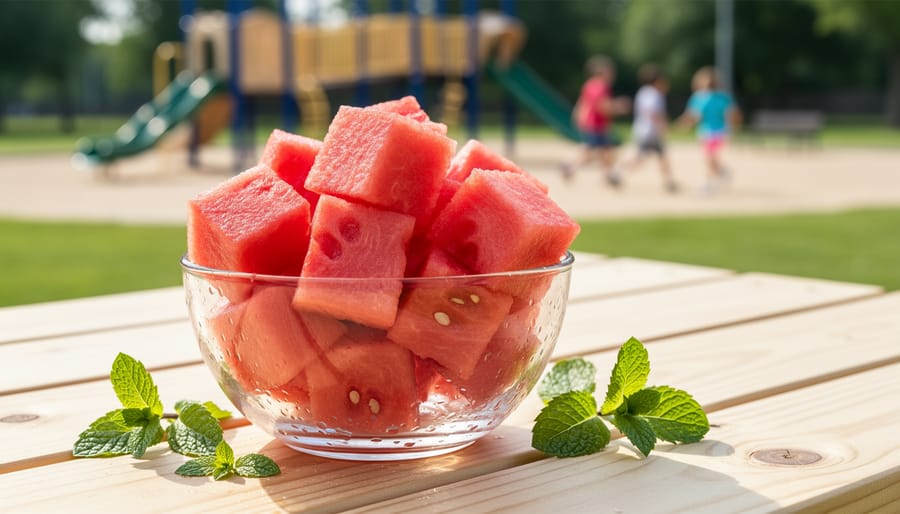
Watermelon cubes clock in at roughly 30 calories per cup, making them one of the lowest-calorie snacks you can offer. That impressive number comes from watermelon’s high water content, about 92%, which means kids get serious hydration along with their snack, especially valuable after playground time or sports.
The natural sweetness satisfies cravings without any added sugars, and most children love the juicy, refreshing taste. Prep is simple: cut seedless watermelon into bite-sized cubes and store in airtight containers for up to three days.
Make it more fun by using small cookie cutters to create star or heart shapes, threading cubes onto kid-safe skewers for “fruit kabobs,” or freezing them for a cold treat that takes longer to eat. The vibrant pink color naturally catches children’s attention, and the mess-free cubes work perfectly in lunchboxes when packed properly.
8. Greek Yogurt (Plain, Light)
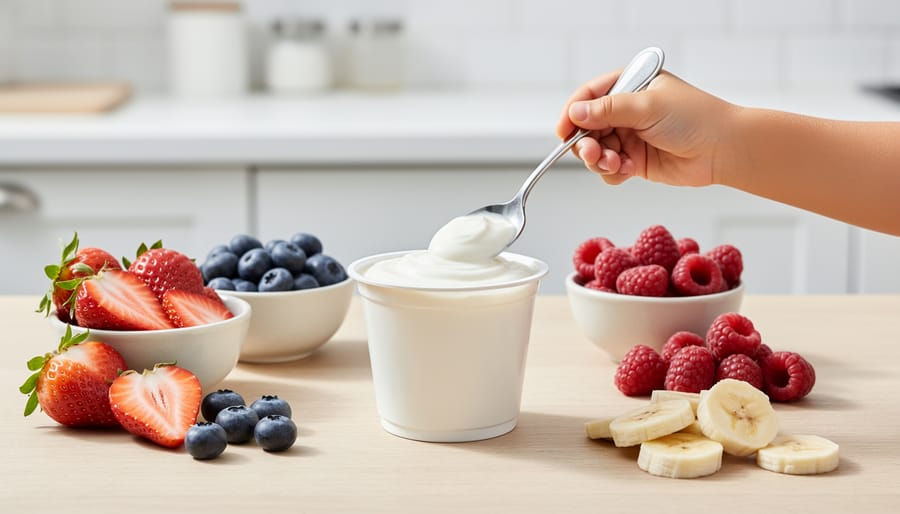
Plain Greek yogurt delivers an impressive 80-100 calories per 100g serving while packing 10-15 grams of protein, far more than regular yogurt. This protein helps keep kids satisfied between meals and supports their growing bodies.
The challenge with plain Greek yogurt is its tangy flavor, which many children initially resist. Start with a small dollop and let them customize it. A few drops of vanilla extract transforms the taste without adding significant calories. Mix in 5-6 fresh blueberries or three sliced strawberries to add natural sweetness for just 10-15 extra calories.
Look for brands specifically marketing to children, like Chobani Kids or Stonyfield YoKids, which use less tart strains. Check labels carefully, “light” varieties use artificial sweeteners to stay under 100 calories per container, while “low-fat” versions may contain added sugars that push calories higher.
Single-serve cups work perfectly for school lunches since they don’t require refrigeration for a few hours. Freeze them overnight and pack them frozen, they’ll thaw by snack time while keeping other lunch items cool.
9. Celery Sticks with Light Cream Cheese
Celery sticks with light cream cheese deliver approximately 50-70 calories per serving (3-4 celery sticks with 2 tablespoons of light cream cheese). While celery often gets dismissed as bland, pairing it with cream cheese transforms this vegetable into a satisfying snack that provides protein and calcium, nutrients many children need more of during their school years.
The cream cheese adds 3-4 grams of protein per serving, which helps kids feel fuller longer between meals. Calcium supports bone development, making this combination more than just a low-calorie option.
Making it appealing requires creativity. Cut celery into shorter “boats” that are easier for small hands to manage. Let children spread their own cream cheese, which increases engagement. Add tiny toppings like a few raisins arranged as “ants on a log,” or sprinkle everything bagel seasoning for older kids who enjoy savory flavors. Some children prefer celery cut into coins rather than sticks, which changes the eating experience entirely and makes it feel less like typical raw vegetables.
10. Edamame (Lightly Salted)
A half-cup serving of shelled edamame contains approximately 95 calories, making it one of the more substantial low-calorie options that actually delivers staying power between meals. These young soybeans pack 8 grams of plant-based protein and 4 grams of fiber in that same serving, a combination that keeps kids satisfied longer than many traditional snack choices.
The interactive nature of edamame appeals to children who like hands-on eating. Popping the beans out of their pods turns snack time into a mini activity, which often encourages even hesitant eaters to try them. For school settings, pre-shelled edamame eliminates mess while maintaining the nutritional benefits.
Preparation couldn’t be simpler: steam or boil frozen edamame for 3-5 minutes, drain, and sprinkle lightly with sea salt. Many stores now sell microwaveable bags that cook in under four minutes. The mild, slightly sweet flavor works for most palates, and a light salt coating provides just enough savory appeal without excessive sodium.
11. Rice Cakes with Thin Nut Butter Spread
Rice cakes often get overlooked, but they’re actually a smart low-calorie base for a satisfying snack. A plain rice cake typically contains just 35-40 calories, and when you spread a thin layer of peanut or almond butter on top (about one teaspoon), you’re adding roughly 30-35 calories. That keeps the total under 75 calories while delivering whole grains and a bit of protein.
The key is portion control with the nut butter. Kids don’t need a thick slather to enjoy this snack. A teaspoon spread evenly across the surface provides enough flavor and richness without excessive calories. The rice cake’s satisfying crunch makes it feel more substantial than it is, and the slight sweetness of the whole grain pairs well with nut butter’s savory notes.
For schools with nut allergies, sunflower seed butter works perfectly as an alternative, with a similar calorie count and creamy texture. Another option is a very thin layer of cream cheese topped with cucumber slices, which keeps calories low while providing protein and a fun texture contrast.
12. Frozen Grapes
Frozen grapes pack about 60 calories per cup, roughly the same as fresh, but freezing transforms them into a naturally sweet treat that feels more like candy than fruit. The cold temperature slows eating pace, which helps kids feel more satisfied, and the icy texture adds novelty that makes healthy snacking exciting. Parents love that grapes last several weeks in the freezer, reducing waste and making them ready whenever hunger strikes.
To prepare, simply wash grapes thoroughly, pat them dry, remove any stems, and spread them in a single layer on a baking sheet. Freeze for at least three hours until solid, then transfer to a freezer bag. Red grapes tend to be sweeter when frozen, while green grapes offer a more tart flavor. Include them in your lunch box tips rotation by packing them frozen, they’ll thaw slightly by snack time but stay refreshingly cool, and they naturally keep other lunch items chilled without an extra ice pack.
13. Cherry Tomatoes with Mozzarella Pearls
Cherry tomatoes paired with mozzarella pearls deliver a satisfying 60-80 calories per serving (about 5 cherry tomatoes with 5 small mozzarella balls). This combination provides protein and calcium from the cheese while keeping overall calories low, making it one of the most nutritious kid-friendly snack ideas for both home and classroom settings.
The colorful presentation naturally appeals to children. Arrange the red tomatoes and white cheese on small skewers or in divided containers for a caprese-style snack that feels restaurant-special. Kids enjoy the bite-sized portions and the combination of juicy tomato with creamy cheese.
For school settings, pack this snack with a small ice pack to keep the cheese fresh. Many children who claim they don’t like vegetables will try cherry tomatoes because of their natural sweetness and fun, poppable size. This combination teaches kids that eating healthy at school doesn’t mean sacrificing flavor or enjoyment.
14. Sliced Bell Peppers (All Colors)
Sliced bell peppers deliver serious nutrition at just 25-30 calories per cup, making them one of the lowest-calorie vegetable options available. A single medium bell pepper contains more than 100% of a child’s daily vitamin C needs, crucial for immune function and helping their bodies absorb iron from other foods. Red and yellow bell peppers taste noticeably sweeter than green ones because they’ve ripened longer, which makes them more appealing to children who might otherwise dismiss vegetables as “too healthy tasting.”
The naturally crisp texture and bright colors make bell peppers visually exciting in lunch boxes. Slice them into strips or rings for easy dipping, pair with 2 tablespoons of hummus (about 50 calories) or light ranch dressing (around 40 calories for 2 tablespoons) to keep the total snack under 100 calories. This combination supports healthy habits in schools by offering familiar flavors alongside nutrient-dense vegetables. For picky eaters, try arranging different colored peppers as a rainbow on their plate.
15. Unsweetened Applesauce Cup
A single-serve cup of unsweetened applesauce typically contains 50-60 calories, making it one of the lightest options on this list. The pre-portioned cups remove any guesswork about serving sizes, and they’re shelf-stable until opened, perfect for lunchboxes, desk drawers, or after-school snack rotations.
Each cup delivers about 1-2 grams of fiber from the apple pulp, supporting digestive health and helping kids feel satisfied between meals. The natural fruit sugars provide quick energy without the blood sugar spike that comes from added sweeteners.
The critical step is reading labels carefully. Many brands add high-fructose corn syrup or cane sugar, which can double the calorie count and eliminate the health advantages you’re looking for. Choose varieties labeled “unsweetened” or “no sugar added,” and scan the ingredient list, it should contain only apples and possibly ascorbic acid (vitamin C) for freshness. Some kids initially resist the less-sweet taste, but most adjust quickly when it becomes the standard option.
Making Low-Calorie Snacks Work in Real Life
Getting kids excited about lower-calorie snacks requires more strategy than simply packing them in a lunchbox. Start by involving children in the selection process. Take them grocery shopping and let them choose between two nutritious options, should we try watermelon or grapes this week? When kids feel ownership over their snacks, they’re far more likely to eat them. Similarly, invite them into the kitchen for simple prep tasks like washing berries, arranging vegetables on a plate, or sprinkling cinnamon on apple slices.
Presentation transforms ordinary snacks into something special. Use colorful bento-style containers that separate foods into compartments, making the snack feel more like an event. Give snacks playful names that spark imagination: “superhero carrots” or “rainbow peppers” sound infinitely more appealing than plain vegetables. These small touches cost nothing but dramatically increase consumption.
Pairing strategies help snacks feel more substantial. Combine something crunchy with something creamy (carrots with hummus), or pair fruit with a small protein source (berries with Greek yogurt). These combinations keep kids satisfied longer and provide balanced nutrition.
When other children bring chips or cookies, peer pressure becomes real. Acknowledge your child’s feelings rather than dismissing them, and occasionally include a treat alongside healthier options. Teachers can create inclusive snack environments by celebrating the variety of foods children bring rather than labeling snacks as good or bad. Focus conversations on how foods make us feel and help us play and learn, avoiding language that frames eating as a moral issue.
Common Questions About Low-Calorie Snacks for Kids
Are low-calorie snacks enough for active kids?
Low-calorie snacks work best as between-meal options when paired with balanced, substantial meals. Active children need adequate calories throughout the day, so use these snacks to complement rather than replace nutrient-dense meals that include proteins, healthy fats, and complex carbohydrates.
What if my child is still hungry after these snacks?
Persistent hunger might signal that your child needs a more substantial snack with protein and healthy fats, or that meal portions need adjustment. Offering a second serving of the same snack or pairing it with something more filling, like cheese or nut butter, can help satisfy genuine hunger without overcomplicating snack time.
Can low-calorie snacks support healthy growth?
Yes, when they’re part of an overall balanced diet. These snacks provide essential vitamins, minerals, and fiber that support development. The key is ensuring your child’s total daily intake meets their energy needs through proper meals and varied food choices throughout the day.
How do I balance low-calorie options with children who need more calories?
Focus on the snack’s nutritional quality rather than its calorie count. For children with higher energy needs, serve larger portions of these nutritious options, add calorie-dense accompaniments like nut butters or avocado, or rotate in higher-calorie whole-food snacks like trail mix or whole grain crackers with cheese.
The best approach is observing your individual child. If they’re growing steadily, maintaining energy for school and activities, and showing interest in food at mealtimes, their snack routine is likely working well. Trust that children are generally good at self-regulating when offered consistent access to nutritious options without pressure or restriction.
Choosing lowest calorie snacks for children isn’t about deprivation, it’s about filling their plates (and lunchboxes) with whole foods that fuel their bodies and minds. The 15 options we’ve explored prove that nutritious snacks can be colorful, crunchy, sweet, and genuinely enjoyable. When kids discover that fresh strawberries satisfy their sweet tooth or that popcorn delivers the crunch they crave, they’re building positive associations with foods that truly nourish them.
Both parents and teachers play a crucial role in shaping how children view food. Offering variety, making snacks visually appealing, and avoiding restriction language helps kids develop balanced eating habits that will serve them for life. These snacks aren’t just about keeping calorie counts down, they’re about teaching children that healthy eating can be delicious, satisfying, and sustainable. When we give kids the tools and options to make good choices, we’re investing in their long-term relationship with food and their own wellbeing.